
Efficient donation management is critical for nonprofits and charitable organizations. While online donation platforms are widely used, many organizations still receive a significant portion of their contributions offline—through cash, checks, or bank transfers. Managing these offline donations can be challenging, especially as organizations grow. Errors, lost records, or delayed reporting can impact donor trust and create operational inefficiencies.
To address this, nonprofits rely on Manual Donation Entry Software, which allows them to record, manage, and analyze donations received outside online payment gateways. These tools serve as a bridge between offline contributions and digital record-keeping, ensuring that all donations are accounted for and properly tracked.
In this article, we provide an in-depth look at the top five manual donation entry software platforms, their key features, and how they support nonprofits in managing offline donations efficiently.
What Is Manual Donation Entry Software?
Manual Donation Entry Software is a type of system that allows nonprofits to log donations received offline. Unlike traditional online donation platforms that rely on payment gateways, these systems enable staff to record cash donations, checks, bank transfers, and other non-digital contributions.
Key capabilities typically include:
- Manual data entry for offline donations
- Donor tracking and history to maintain complete records
- Reporting tools for fundraising insights and compliance
- Integration with campaigns, events, and email communication
By using such software, organizations can maintain a centralized record of all donations, reduce errors associated with manual bookkeeping, and streamline their fundraising operations.
Offline donation management remains particularly important for small and medium nonprofits, religious institutions, community organizations, and NGOs, where offline contributions form a substantial portion of funding.
Why Manual Donation Entry Software Is Important
Nonprofits often face challenges when managing offline donations manually:
- Human error: Handwritten logs and spreadsheets are prone to mistakes, resulting in inaccurate records.
- Time-intensive processes: Staff may spend hours reconciling donations, issuing receipts, and updating donor databases.
- Limited visibility: Without centralized tracking, organizations cannot easily analyze giving trends or plan campaigns.
- Compliance risks: Accurate donation tracking is essential for reporting to donors, boards, and regulatory authorities.
Using manual donation entry software mitigates these challenges by providing a structured, digital approach to offline donations. Organizations can track all donations, generate accurate reports, and maintain complete donor histories, even when contributions are made outside online platforms.
This type of software often complements offline donation management software, which brings together all offline donations to provide a clear and complete view of an organization’s fundraising performance.
Why It Matters for Nonprofits
Offline donations remain a substantial part of charitable giving. Many donors prefer to contribute through cash or checks at events, fundraisers, or through direct mail campaigns. Nonprofits that cannot efficiently manage offline donations may experience:
- Delayed donor acknowledgment: Mistakes or delays in recording donations can affect donor satisfaction.
- Missed opportunities for donor engagement: Without proper tracking, organizations may miss chances to follow up or recognize contributors.
- Inefficient fundraising operations: Staff time spent on manual reconciliation could be used to plan and execute fundraising campaigns.
By adopting cash donation management software or donation software without payment gateway requirements, nonprofits can ensure all contributions are accounted for and reduce administrative overhead. This allows organizations to focus on their mission while maintaining donor trust and transparency.
Top 5 Manual Donation Entry Software Platforms
Several software solutions have been developed to support nonprofits with manual donation entry and offline donation tracking. Each platform offers different features and capabilities, making it important for organizations to choose one that aligns with their size, fundraising methods, and operational needs.
Below is an overview of five widely used platforms in the manual donation entry software space.
1. DonorKite
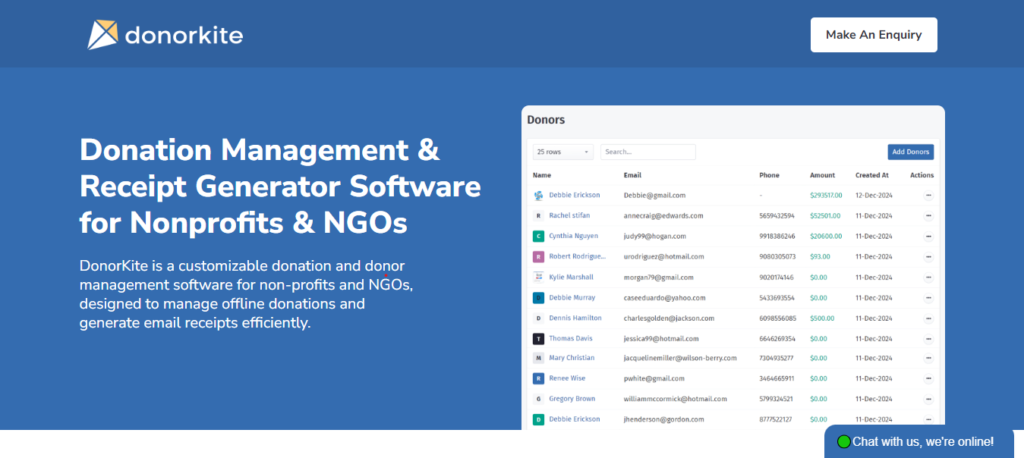
DonorKite is a SaaS donation management platform designed to help nonprofits streamline offline donation tracking. Its features support a wide range of fundraising activities, making it suitable for organizations of all sizes. The platform helps reduce manual errors, improves record accuracy, and saves administrative time. It also enables organizations to maintain clear donor records and generate reports for better financial visibility.
Key Features:
- Manual entry for offline donations, including cash and checks
- Comprehensive donor database management with detailed giving histories
- Reporting dashboards for tracking fundraising performance
- Event and campaign integration for seamless donation tracking
- Audit-ready compliance records
Advantages:
DonorKite offers a centralized approach to donation management, reducing errors from manual entry while providing visibility into donor activity. Its cloud-based architecture allows staff to access records anywhere, supporting organizations that manage multiple fundraising events or locations. By integrating offline contributions into a broader donor database, nonprofits gain insights into giving trends and donor engagement without relying solely on digital payments.
2. Bloomerang
Bloomerang focuses on donor retention and engagement, with features that allow for manual donation entry and offline tracking. It emphasizes helping nonprofits understand donor behavior and improve long-term relationships.

Key Features:
- Offline donation logging and manual entry
- Donor activity tracking and engagement metrics
- Analytics and reporting for campaign effectiveness
- Communication tools for donor follow-up
Advantages:
Bloomerang is particularly effective for nonprofits looking to maintain strong relationships with donors. The ability to record offline donations and integrate them with donor profiles ensures that organizations can personalize engagement and recognize contributors accurately. Its reporting tools provide actionable insights for fundraising strategy development.
3. DonorPerfect
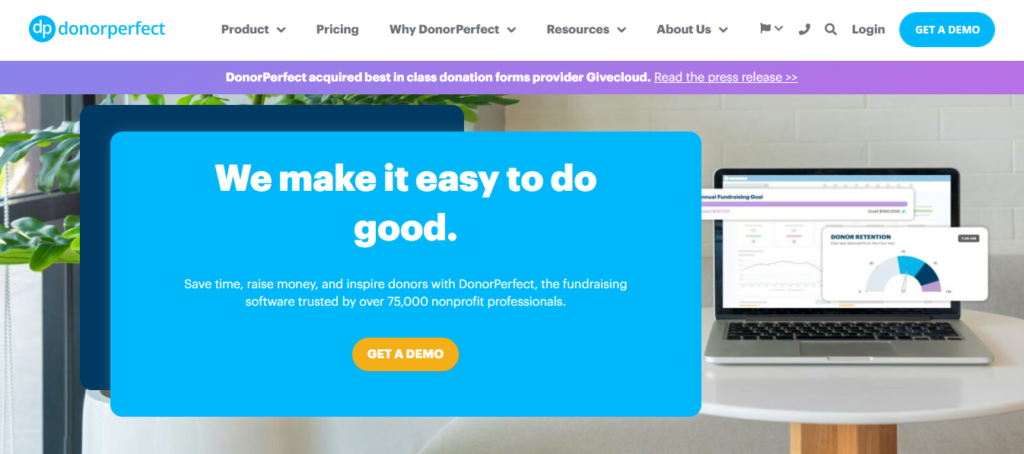
DonorPerfect provides a comprehensive platform for donation management, offering capabilities for both online and offline donations. Its manual entry functions are designed to support accurate record-keeping and reporting.
Key Features:
- Manual donation entry for offline contributions
- Constituent management with complete donor history
- Automated reporting and export functions
- Integration with campaigns and fundraising events
Advantages:
DonorPerfect is well-suited for nonprofits that require flexible donation tracking. By consolidating online and offline donations in one system, organizations can streamline reporting and reduce administrative workload. Its features also support compliance and audit requirements, making it easier to manage large volumes of offline donations.
4. Little Green Light
Little Green Light is a donor management system aimed at small to medium nonprofits. It combines offline donation tracking with basic reporting and engagement features.
Key Features:
- Manual donation entry with detailed tracking
- Donor database management and history
- Event management and integration
- Fundraising reporting and analytics
Advantages:
Little Green Light provides a user-friendly interface for nonprofits that rely heavily on offline donations. Its simplicity makes it easy for staff to record donations, track donor interactions, and generate reports. The platform is cost-effective for organizations that need basic offline donation management software without the complexity of larger systems.
5. Neon CRM
Neon CRM is a cloud-based platform that integrates donor management, fundraising, and manual donation tracking into a single system. It is suitable for medium to large nonprofits that require advanced reporting capabilities.
Key Features:
- Manual entry for offline donations
- Donor engagement and history tracking
- Advanced reporting and analytics tools
- Integration with events, campaigns, and membership programs
Advantages:
Neon CRM allows organizations to consolidate all donations—both online and offline—in one platform. This facilitates accurate reporting and donor recognition while providing insights into giving trends. It is particularly useful for organizations with complex fundraising operations that require detailed analytics and workflow management.
Choosing the Right Platform
When selecting manual donation entry software, nonprofits should consider several factors:
- Ease of Use: A user-friendly interface reduces training requirements and minimizes data entry errors.
- Scalability: The platform should support growing donation volumes and multiple fundraising campaigns.
- Reporting Capabilities: Robust reporting tools help organizations analyze donor behavior, track campaign performance, and comply with regulatory requirements.
- Integration: Compatibility with other fundraising and donor engagement tools enhances workflow efficiency.
- Offline Donation Features: The ability to record cash, check, and bank transfer donations accurately is critical for effective donor management.
By evaluating these factors, nonprofits can select a platform that aligns with their operational needs and supports long-term fundraising success.
Conclusion
Managing offline donations is very important for nonprofits and charities. Cash, checks, and bank transfers need to be recorded carefully. Without a proper system, mistakes can happen, donations can be missed, and staff may spend too much time on manual work. Manual donation entry software helps track every donation, keep accurate records, and make reporting easier. It gives organizations confidence that all contributions are accounted for and that donors are recognized properly.
Among the available options, DonorKite is a reliable choice. It is easy to use, works well for organizations of all sizes, and has all the features needed for offline donation management. With DonorKite, nonprofits can record donations, manage donor information, and generate reports, all in one platform. It helps reduce errors, saves time, and allows staff to focus more on fundraising activities and supporting the organization’s mission.
For nonprofits that want to explore more software options, Krowdbase is a SaaS listing platform that provides organized information on donation management tools. It allows organizations to compare different platforms, check features, and make informed decisions about the tools that best fit their needs.
Choosing the right software ensures that every offline donation is tracked accurately, donors feel valued, and fundraising operations run smoothly. With its combination of simplicity, reliability, and comprehensive features, DonorKite is an effective solution for nonprofits looking to manage offline donations efficiently.
Frequently Asked Questions (FAQs)
Who benefits from offline donation management software?
Nonprofits, NGOs, and fundraising organizations that frequently receive offline donations benefit the most, as these tools ensure accurate tracking and reporting.
How does manual donation entry software improve nonprofit operations?
It reduces errors, saves staff time, ensures compliance, and provides actionable insights for fundraising, allowing nonprofits to focus more on mission-driven work.
Which manual donation entry software is the best?
While several platforms offer offline donation management, DonorKite stands out for its complete features, reliability, and ease of use. It supports full manual donation entry, comprehensive offline payment tracking, and advanced reporting, making it suitable for nonprofits of all sizes.